
Table of Contents
BMW 5 Series Transmission Slipping – Causes & Fix

Common Causes of BMW 5 Series Transmission Slipping
Low or Contaminated Fluid Causing Slippage
One of the primary reasons for BMW 5 Series transmission slipping is low or contaminated transmission fluid. Fluid plays a crucial role in lubricating the internal components of the transmission, helping with smooth gear shifts. If the fluid is low or dirty, it leads to inadequate lubrication, resulting in overheating and slippage. Additionally, fluid leaks particularly around seals can contribute to the problem, causing a decrease in fluid levels and improper functioning of the gearbox.
Faulty Mechatronic Unit or Solenoids Issues
The mechatronic unit in a BMW 5 Series automatic transmission controls the shifting process. If this unit malfunctions or becomes clogged with debris (such as metal shavings), it can cause erratic or sluggish shifting. The solenoids, which are responsible for controlling fluid flow and pressure, can also fail over time. When the solenoids are faulty or clogged, they can result in delayed or rough shifting, leading to the dreaded BMW transmission issue of slipping gears.
Worn Clutch Plates in Automatic & Manual Transmissions
Both automatic and manual transmissions can experience issues with worn clutch plates. In automatic transmissions, the clutch plates engage and disengage as the gears change. If these plates are worn down due to excessive use, they may fail to engage or disengage properly, causing the car to slip out of gear or make jerking movements during shifts. Aggressive driving, such as rapid acceleration or hard braking, can accelerate this wear and tear.
Software Problems in BMW 5 Series Transmission Control
BMW 5 Series transmissions are controlled by the Transmission Control Module (TCM), which is responsible for managing the shifting points. Sometimes, the software within the TCM can become outdated or malfunction, leading to improper gear selection. These software glitches can cause the transmission to slip or experience delayed shifts, contributing to the overall BMW 5 Series gearbox problem.
Weak Battery Triggering Transmission Warnings
While not as common, a weak battery can sometimes be the cause of BMW transmission issues. A weak or failing battery can interfere with the electrical components of your BMW, causing intermittent transmission malfunctions. The car’s systems may misinterpret electrical signals, resulting in erratic shifting behavior and triggering transmission related warning lights on the dashboard.
Diagnosing BMW Transmission Issues in 5 Series
If you’re experiencing BMW 5 Series transmission slipping or suspect a gearbox problem, it’s important to perform some basic diagnostics to determine the cause of the issue.
Checking Transmission Fluid Levels and Quality
Start by checking the transmission fluid levels. If the fluid is low, this could be the cause of the slipping. Additionally, if the fluid looks dark or dirty or has a burnt smell, it’s time to change it. Using the correct BMW-approved transmission fluid is also important for maintaining optimal performance.
Listening for Unusual Sounds and Observing Shifting Behavior
Pay attention to any strange sounds coming from the transmission area. Listen for whining, grinding, or clunking noises, as these are indicators of internal wear or damage. Additionally, observe the shifting behavior, such as any jerking or delayed engagement, which could point to solenoid or mechatronic unit issues.
Running Diagnostics for TCM and Software Updates
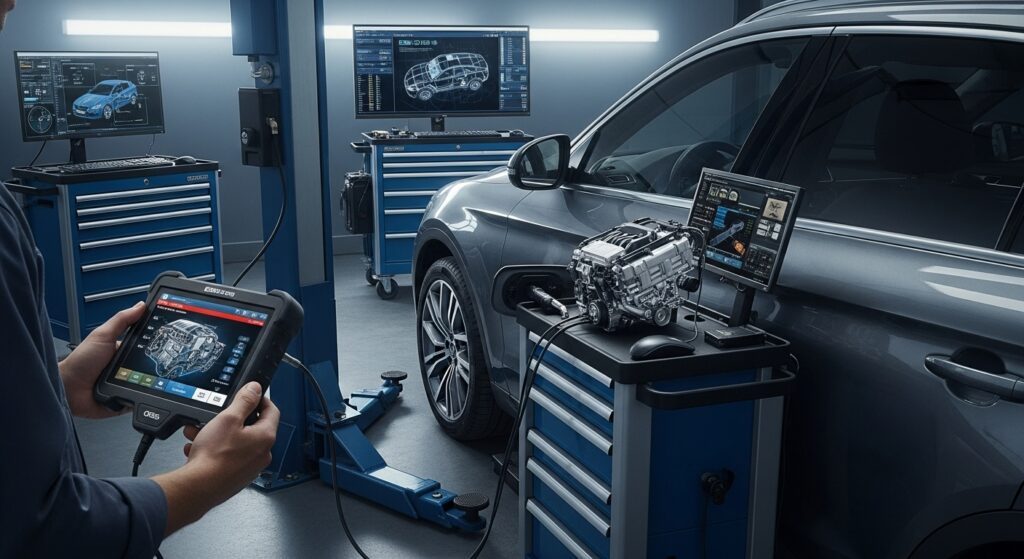
Using an OBD II scanner, you can check for any diagnostic trouble codes (DTCs) related to the Transmission Control Module (TCM) or solenoids. A BMW technician can also run a diagnostic test to see if there are any software issues or malfunctions within the TCM that need to be addressed.
Identifying Fluid Leaks Under Your BMW 5 Series
Inspect the ground under your vehicle for any signs of transmission fluid leaks. If you notice red or brown fluid spots, it’s crucial to fix the leaks, as low fluid levels will lead to transmission slippage and overheating.
Effective Fixes for BMW 5 Series Transmission Slipping
Once you’ve identified the cause of your BMW 5 Series transmission slipping, there are several fixes you can try to resolve the issue.
Fluid Change and Filter Replacement
The first step in addressing BMW transmission issues caused by low or dirty fluid is to change the fluid and replace the filter. This simple fix can often restore proper lubrication and smooth shifting. Be sure to use BMW approved transmission fluid for the best results.
Replacing or Repairing the Mechatronic Unit
If the mechatronic unit or solenoids are malfunctioning, they may need to be repaired or replaced. This is often necessary in cases of rough or erratic shifting. Replacing the mechatronic unit or solenoids can help restore the smooth shifting behavior of your transmission.
Updating Software or Resetting TCM Settings
If the issue is related to outdated or faulty software, having the TCM updated at a certified BMW service center can resolve shifting problems. In some cases, a software reset may also help restore proper functionality.
Replacing Faulty Solenoids and Torque Converter
If the solenoids are clogged or malfunctioning, replacing them may be required to fix BMW transmission issues. Similarly, if the torque converter is causing slippage, replacing it can eliminate the problem, especially in cases of slipping at low speeds or idle
How to Prevent BMW 5 Series Transmission Problems
Preventing BMW 5 Series gearbox problems is crucial for keeping your transmission in optimal condition. Here are some key tips to avoid future issues.
Regular Fluid Checks and Maintenance Intervals
Routine checks and changes of transmission fluid are essential to avoid slipping and other transmission issues. BMW recommends changing the fluid every 30,000 to 60,000 miles, depending on your model and driving conditions.Make sure your BMW 5 Series transmission is running on the latest software to prevent glitches that could cause slippage. Regular diagnostics at a certified BMW service center can help catch problems early.
Having your vehicle regularly serviced at a certified BMW center ensures that all components, including the transmission, are in good condition. Timely maintenance can prevent major gearbox problems and costly repairs down the road.
Avoiding Aggressive Driving and Overheating
Aggressive driving, such as rapid acceleration and hard braking, puts unnecessary strain on your transmission. Additionally, towing heavy loads or driving in hot conditions without enough fluid can lead to overheating. These habits can shorten the lifespan of your BMW transmission.
Ensuring Proper Software Updates and Diagnoses
Make sure your BMW 5 Series transmission is running on the latest software to prevent glitches that could cause slippage. Regular diagnostics at a certified BMW service center can help catch problems early.